
Microscopes
Showing 1–15 of 24 results
-

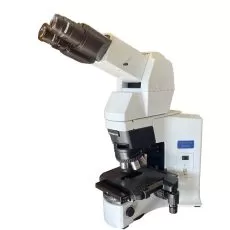
Olympus BX45 Microscope
$4,500.00On Backorder
-
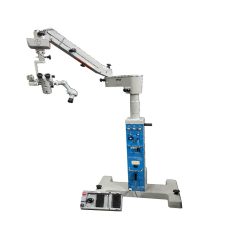
Zeiss OMPI S3 MD
$6,995.00On Backorder
-
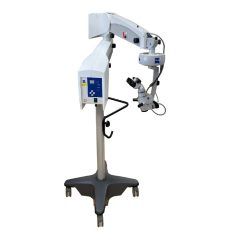
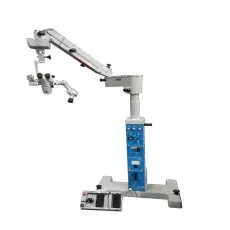
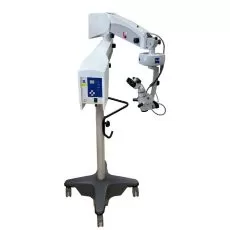
Zeiss OPMI VISU 160 S7 Surgical Microscope
$27,500.00On Backorder
-
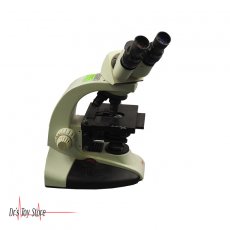
Leica DM E Microscope Compound
-
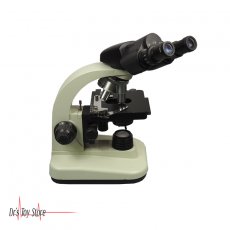
LW Scientific Microscope
-
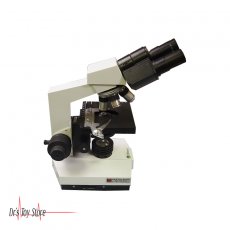
PSS Select Binocular Microscope
$1,595.00 -
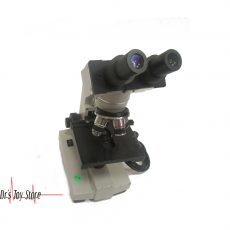
DTS 115V Binocular Microscope
-
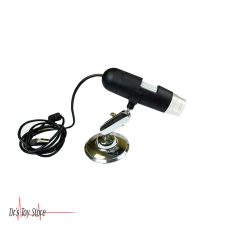
DTS USB Digital Microscope
-
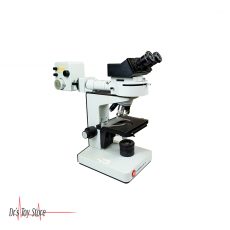
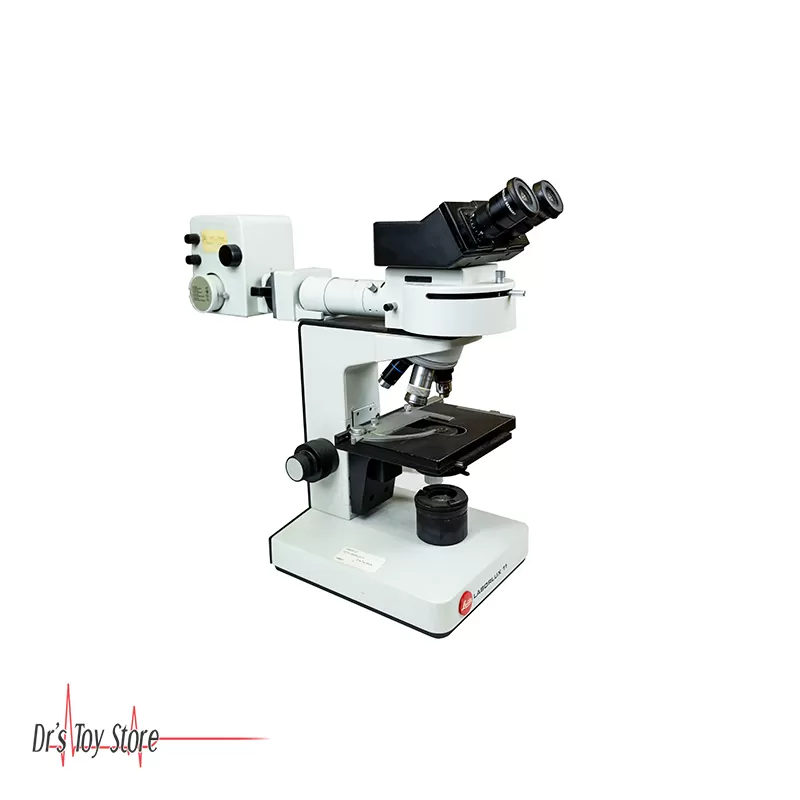
Leitz LaborLux 11Pol S Binocular Microscope
$1,200.00On Backorder
-
Sale!
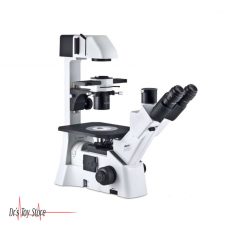
Motic Inverted Microscope AE30
Original price was: $3,000.00.$2,495.00Current price is: $2,495.00. -
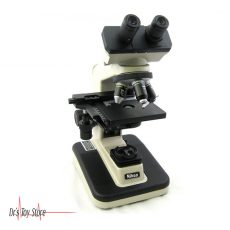
Nikon Alphaphot-2 YS2-T Binocular Microscope
-
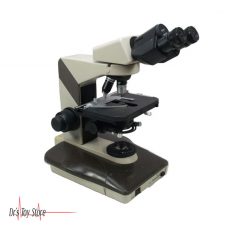
Nikon Labophot 2 Binocular Microscope
-
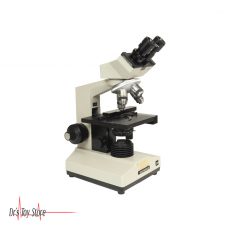
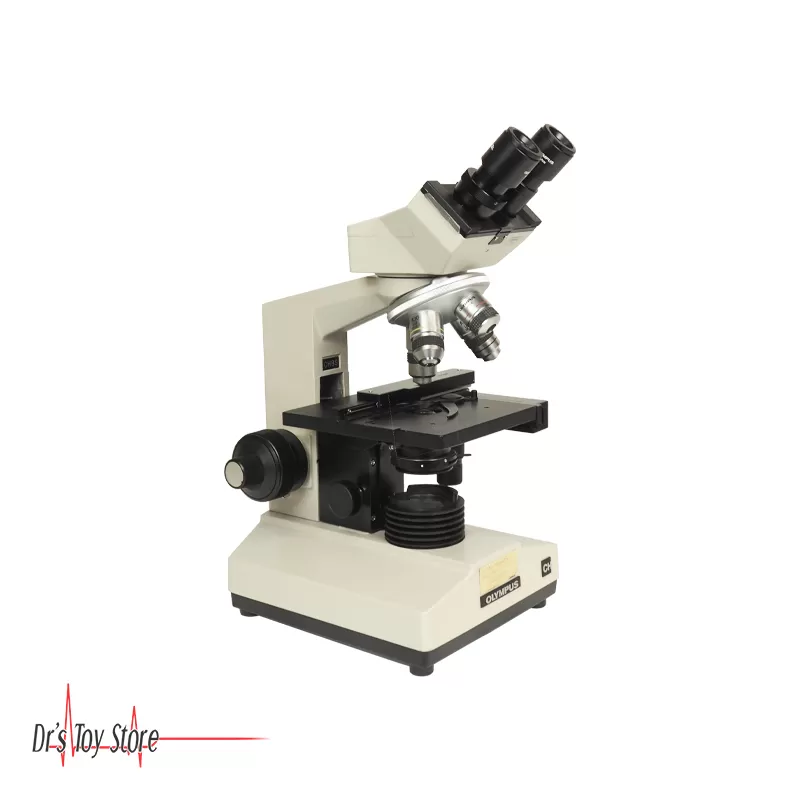
Olympus CHBS Laboratory Binocular Microscope
$1,295.00 -
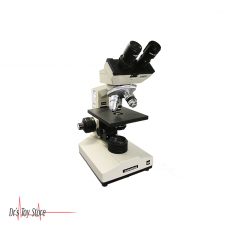
Olympus CHBS Binocular Microscope
-
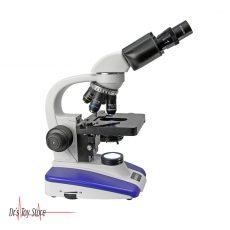
Unico M280 Binocular Microscope
$758.00






Microscopes For Sale
New and Used Microscopes are for Sale at The Dr’s Toy Store. Buy Microscopes now for the Best prices.
What are Microscopes?
Microscopes are instruments which are used in medical laboratories to see objects which are considered to be too small to be seen with the naked eye. Microscopy is a science that studies small objects and structures using such an instrument. Microscopic means invisible to the eye, unless the microscope helps. There are many types of microscopes and can be grouped in different ways.
How a Microscope Works
The best way to explain how a microscope work is by describing how the instruments interact with a sample to create an image, or by sending a beam of light or electrons to a sample in its optical path, or by scanning across, and a short distance from the sample surface with the use of a probe.
The most common microscope (and the first to be invented) is the optical microscope that uses light to pass through the sample to produce an image. Other major types of microscopes are a fluorescent microscope, electron microscope (both, the transmission electron microscope and the scanning electron microscope) and the various types of scanning probe microscopes.
Here are some microscope and their features:
1. AmScope 10X-20X Widefield Binocular Inspection Stereo Microscope on Boom Arm Stand
The AmScope SE400Z professional stereo microscope has interchangeable pairs of 10x and 20x widefield eyepieces, a 1x objective, LED lighting, and a boom-arm stand. The binocular viewing head has an interpupillary range of 50 to 77mm and a 30-degree inclination to reduce eye and neck strain.
The interchangeable pairs of WF10x18mm and WF20x10mm eyepieces combine with the 1x objective to provide 10x and 20x magnification, and a longer working distance for inspecting large-scale specimens that require handling or repair. Dioptric adjustment accommodates individual eye-strength differences. A stereo microscope, sometimes called an inspection or dissection microscope has low magnification and a long working distance which allows users to manipulate the object being inspected.
2. OPTO-EDU A23.0901-S1L1 Professional Binocular Stereo Zoom Microscope, Metal, Glass, Plastic
OPTO-EDU A23.0901-S1L1 professional stereo zoom microscope has a pair of 10x super-wide field high-eyepoint eyepieces, a 0.7x-4.5x zoom objective, a 0.5x Barlow lens, and a single-arm boom stand.
The microscope has an overall magnification range of 3.5x-45x. The binocular viewing head has an interpapillary range of 55 to 75mm, a 45-degree inclination to reduce eye and neck strain, and 360-degree rotation to enable sharing. The WH10x20mm super-wide field high-eyepoint eyepieces combine with the 0.7x-4.5x zoom objective to provide continuous zoom magnification and a longer working distance for inspecting large-scale specimens that require handling or repair.
The microscope includes a 0.5x Barlow lens that can be added to the objective to decrease the magnification range. A Barlow lens with a magnification of less than 1.0 reduces magnification and increases the working distance. High-eyepoint eyepieces ease viewing for users who wear glasses, and dioptric adjustment accommodates individual eye-strength differences.
Best Microscope Brands
Below is a list of the Best microscope brands that are available for purchase at Dr’s Toy Store.
- Unico
- DTS
- Olympus
- PSS Select
- LW
- Nikon-Alphaphot
Microscopes In Stock
Laboratory and clinical compound microscopes
- Olympus BX45 – clinical workhorse built for long sessions at the bench, common in pathology and cytology.
- Olympus CHBS laboratory binocular (two units)
- Nikon Labophot 2 and Nikon Alphaphot-2 YS2-T binocular
- Leica DM E compound
- Leitz LaborLux 11Pol S – polarising model, for crystal and birefringence work such as synovial fluid.
- Unico IP730 series, G502 achromat, G380 series, M280 binocular and M250 college
- LW Scientific, PSS Select binocular, Seilerscope, Wesco, Tasco LMSMB 1600X and a DTS 115V binocular
Inverted microscopes
- Motic AE30 Inverted Microscope and Unico IV954 series inverted – for looking up through culture flasks and plates. If you are doing cell culture, an upright microscope will not do this job.
Heated stage
- Unico G390 Heated Stage Microscope – a heated stage holds the specimen at body temperature, which is what andrology, semen analysis and embryology work requires. A standard microscope cannot substitute.
Digital
- DTS USB Digital Microscope
Surgical microscopes
- Zeiss OPMI VISU 160 S7 and Zeiss OPMI S3 MD – operating microscopes, a different instrument entirely from the bench units above. More of these are in surgical microscopes.
Choosing the Right Type
- Upright compound – slides on a stage, viewed from above. Haematology, urinalysis, cytology, histology, general clinical work.
- Inverted – objectives beneath the stage, looking up into flasks and plates. Cell culture and tissue work.
- Heated stage – live specimens that must stay at temperature. Andrology and IVF.
- Polarising – crystals and birefringent material.
- Surgical – a stand-mounted operating microscope over a patient, not a bench instrument.
Buying a Used Microscope: What to Check
- The optics are the microscope. Hold the objectives and eyepieces to the light and look for haze, internal dust and the branching white filaments of fungus. Fungal growth on internal glass is the single most common defect in stored microscopes, it is not cleanable without a service strip-down, and it permanently degrades the image. Everything else on a microscope can be fixed more cheaply than the glass.
- Which objectives are included. Objectives are most of the value. Confirm the magnifications supplied – typically 4x, 10x, 40x and a 100x oil immersion – and that they are the matched set for that body, not a mixed collection.
- Mechanical stage and focus. Run the stage through its full X and Y travel and the fine focus through its range. A stage that binds or a focus that drifts under the weight of the nosepiece means worn mechanics, and on an older body those parts can be hard to find.
- Illumination. Confirm the bulb type is still available, or that the unit has been converted to LED. Check the condenser and iris move and that the field is evenly lit – uneven illumination is usually a condenser or centring problem, not a bulb.
- Eyepieces and diopter. Both eyepieces present, matched, and the diopter adjustment working – otherwise anyone who does not share your eyes will fight the instrument.
- Phase contrast and darkfield. If you need either, confirm the matching condenser and objectives are included. Adding them later to an older body is often more expensive than buying the right microscope.
- Camera port. If you want to capture images, check for a trinocular head or photo port – a binocular head cannot be adapted usefully.
Every microscope we sell is tested before it ships. Tell us what you are looking at – slides, cultures, live specimens – and we will tell you which of these is the right instrument and what objectives come with it. See also centrifuges and laboratory equipment.